

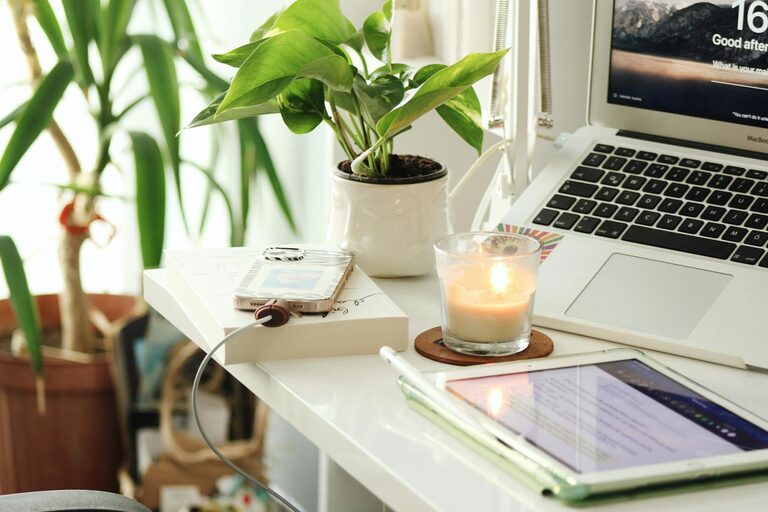
Creating a comfortable and relaxing workspace at home is essential for maintaining focus and boosting productivity. Whether you work remotely full-time or occasionally bring tasks home, your environment plays a significant role in how well you perform. In this post, we’ll share practical tips to help you design a calming, efficient space that encourages productivity and reduces stress.
Why a Relaxing Workspace Matters
A workspace that feels peaceful and organized can help reduce distractions and mental clutter. When your environment supports your workflow, you’re more likely to stay motivated and complete tasks efficiently. On the other hand, a cramped or chaotic space might increase stress or decrease your energy levels.
Choosing the Right Location
Find a Quiet Spot
Select a part of your home that is quiet and away from heavy foot traffic. This helps minimize interruptions and allows you to focus more easily.
Consider Natural Light
Try to position your desk near a window to benefit from natural light. Exposure to daylight helps regulate your body’s clock and can improve mood and concentration.
Evaluate Space and Comfort
Make sure there is enough room for your equipment and a comfortable chair. Avoid tight corners or places where you can’t sit or move comfortably.
Setting Up Your Workspace
Ergonomic Furniture
Invest in a good chair that supports your back and encourages good posture. Your desk should be at a height that allows you to type and write without strain.
Declutter Your Desk
Keep only essentials on your desk to reduce distractions. Use organizers, trays, or drawers to store supplies neatly.
Cable Management
Organize cables with clips or sleeves to keep your desk tidy and avoid tangled cords.
Choosing Colors and Decor
Calming Colors
Colors like soft blues, greens, or neutrals can create a soothing atmosphere. Avoid overly bright or harsh tones that might cause eye strain or agitation.
Personal Touches
Add a few items that make you feel good, such as a small plant, artwork, or photos. These can create a positive mood without overwhelming your space.
Avoid Overcrowding
Resist the urge to fill every surface with decorations. A clean, minimalist approach often helps create a peaceful environment.
Lighting Tips
Adjustable Lighting
Use lamps or bulbs with adjustable brightness to suit different times of day and tasks. Bright light is best for detail work, while softer light helps relaxation.
Reduce Glare
Position screens and lamps to prevent glare that can cause headaches and eye strain.
Incorporating Greenery
Benefits of Plants
Plants not only look attractive but also improve air quality and create a sense of calm.
Easy-to-care Plants
Choose low-maintenance plants like succulents, snake plants, or pothos that thrive indoors and need minimal care.
Noise Management
Use Noise-Cancelling Headphones
If you can’t control ambient noise, headphones can help you stay focused.
Play Soft Background Music or Nature Sounds
Some people find gentle music or natural sounds calming and helpful for concentration.
Establishing Routine and Boundaries
Set Clear Work Hours
Define when your workday starts and ends to avoid burnout.
Signal Work Mode
Use your workspace only for work to train your brain to associate the area with focus and productivity.
Take Breaks Away from Your Desk
Step away regularly to stretch and refresh. This helps prevent fatigue and maintains mental clarity.
Technology Tips
Keep Devices Updated
Make sure your computer, software, and apps are up to date to avoid slowdowns and frustrations.
Minimize Distractions
Turn off notifications for non-essential apps during work time.
Use Productivity Tools
Apps for task management or time tracking can help keep you organized and motivated.
Final Thoughts
Designing a relaxing home workspace is about creating an environment that supports your mental and physical well-being. By paying attention to location, lighting, comfort, and aesthetics, you can build a space that helps you focus and accomplish your goals. Remember, a little effort in organizing and personalizing your workspace goes a long way in boosting productivity and enjoyment in your daily work routine.